
The quiet revolution of the Dutch polders
The world is changing at a pace that seemed unthinkable just one generation ago. Resources are running thin, weather patterns are shifting, and the Dutch landscape — shaped by centuries of water management — is heading into another major renovation. No longer only against the water, but for a liveable climate too.
Global warming and local responsibility
Average global temperatures have risen more than 1.2 °C since the pre-industrial era. For a low-lying country like the Netherlands the consequences are immediate: drier summers in Limburg, wetter winters in Friesland and rising sea levels along the North Sea coast. The Dutch approach therefore focuses not only on curbing emissions, but also on reinforcing natural buffers — dunes, peatlands and floodplains that must remain stable for generations. Protection of the landscape is, in that sense, protection of society.
The role of the Dutch energy transition
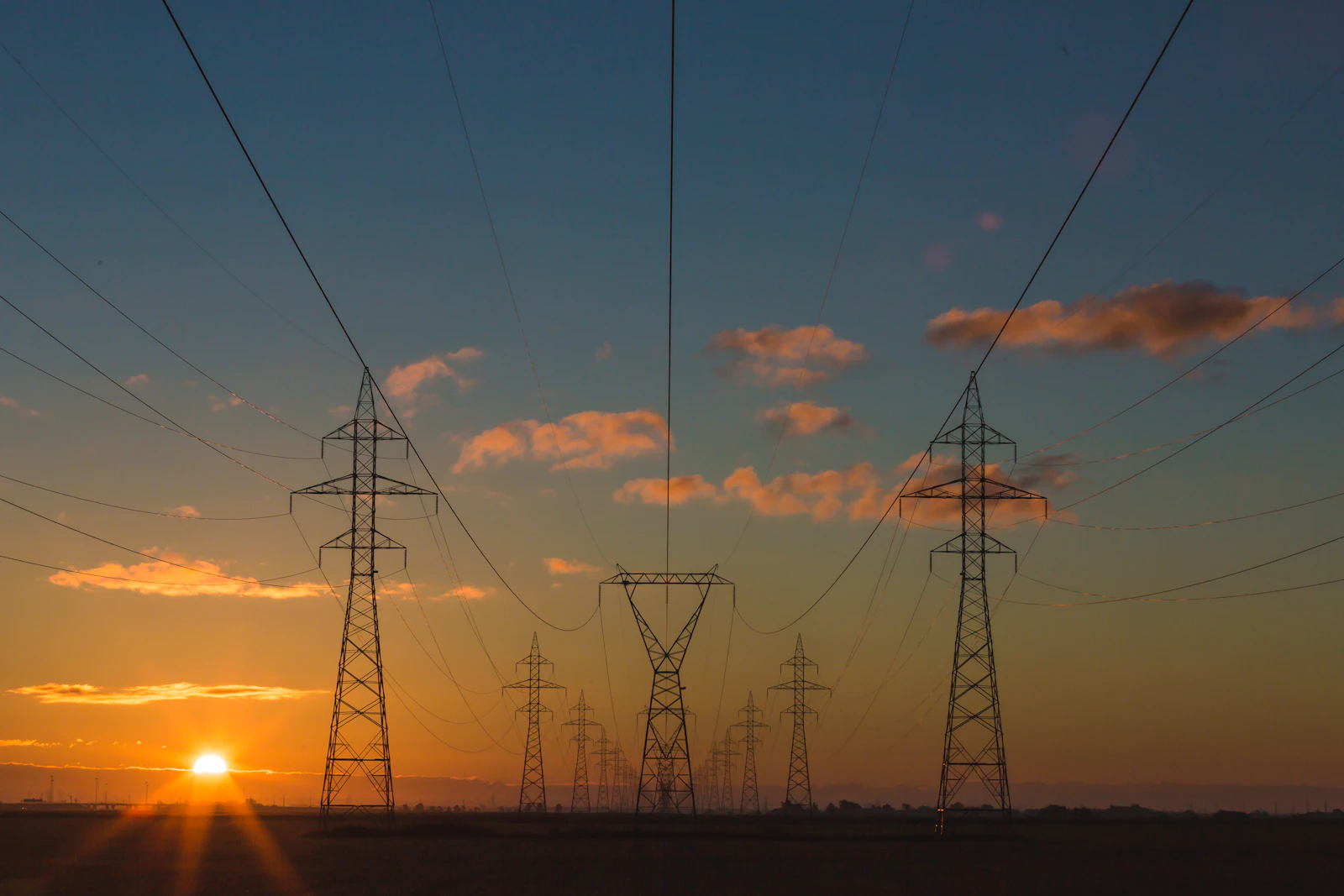
Dutch energy companies, regional grid operators and provincial authorities are jointly delivering the largest infrastructure rebuild since the original high-voltage grid. At sea new wind farms appear; in the polders solar fields are emerging that combine smartly with grassland and biodiversity. Hydrogen is being scaled up carefully as a carrier for industrial processes that are not easily electrified. The development is technical, but the purpose is societal: a reliable grid, affordable energy and lower fossil-fuel consumption.
Agriculture 5.0 and the future of the countryside
On Dutch farmland a new generation of sensors, autonomous machinery and precision irrigation is taking root. It is referred to as Agriculture 5.0: a blend of craft, data and ecology. Farms measure soil moisture in square metres rather than hectares; pollinators are given broad flower margins; feed is optimised to lower methane emissions. The result is a countryside that stays productive while making room for nature restoration. Future-proof farming is not a romantic idea — it is an engineering project wearing boots.
What this means for the next decade
Over the next ten years the character of the Netherlands will visibly change. Roofs become power plants, motorways receive noise barriers that generate electricity, and cities experiment with district heating fed by waste heat from data centres. The transition requires patience, transparent communication and public involvement. We believe information is the first form of protection: the better residents understand what is happening, the stronger the support for the development our children need.


